Written by IBN EL KHATYB,
Founder of wolfgymcore.com. Strength and systems specialist with two years of experience in fitness content, AI automation workflows, and server infrastructure. Applies the same input-output logic behind his AI client-acquisition systems to strength training programme design and biomechanics — because the body, like any well-built system, adapts to structure, not chaos.Last Updated: May 21, 2026 | Read time: 12 minutes”3 Simple Tips”
How to Start Better Nutrition — Systems Approach “3 Simple Tips”
Now that you understand why nutrition overwhelm happens and what better nutrition actually looks like, let’s remove the guesswork. These four foundational steps take you from “I should eat better” to actually doing it—without the mental friction that kills most nutrition attempts.
Start better nutrition by mapping your current eating patterns, identifying one simple change to anchor, testing it for 7 days, then stacking the next habit. The entire system builds on consistency, not perfection.
Most people try to change everything at once. New breakfast. New lunch. New snacks. New meal prep routine. Their brain explodes from the load, and by Wednesday they’re back to the drive-through. Here’s the thing: your nervous system has limited bandwidth for behavior change. Spend it wisely.
- Step 1 — Audit Your Current Pattern: For three days, write down what you actually eat (no judgment, no perfection). Don’t change anything. Just observe. You’re identifying where the friction points are—where convenience beats nutrition. Maybe it’s late-night snacking. Maybe it’s skipping lunch. Maybe it’s weekend binge eating. The pattern reveals the system failure.
- Step 2 — Pick ONE Anchor Habit: Choose just one of the three tips covered in this guide. Not all three. One. Your anchor becomes the new default. If you pick “fill half your plate with vegetables,” that’s your focus for 7 days. Every lunch and dinner. That’s it. This creates a feedback loop where your brain starts to expect this as normal.
- Step 3 — Remove Friction, Not Willpower: Don’t rely on discipline to override your environment. Instead, engineer your environment to make the habit automatic. Pre-cut vegetables. Visible fruit bowl. Brown rice already cooked in the fridge. When better nutrition requires less work than the alternative, your brain defaults to it.
- Step 4 — Stack the Next Habit After 7 Days: Once the first habit feels automatic (not perfect, but normal), add the second. Then after another week, the third. You’re not changing your entire nutrition system in a day. You’re building a sustainable architecture one brick at a time.
TL;DR: Audit → Pick one anchor → Remove friction → Stack after 7 days. That’s the entire system. Simple frameworks beat complex plans every single time.
🎯 Coach’s Pro-Tip (IBN EL KHATYB): Your brain is lazy by design—that’s not a weakness, that’s efficiency. Stop fighting your nervous system and use it instead. The habits that stick are the ones that require less willpower, not more. Design for that from day one.
Now let’s translate this into an actual protocol you can implement today.
3-Tip Better Nutrition Protocol
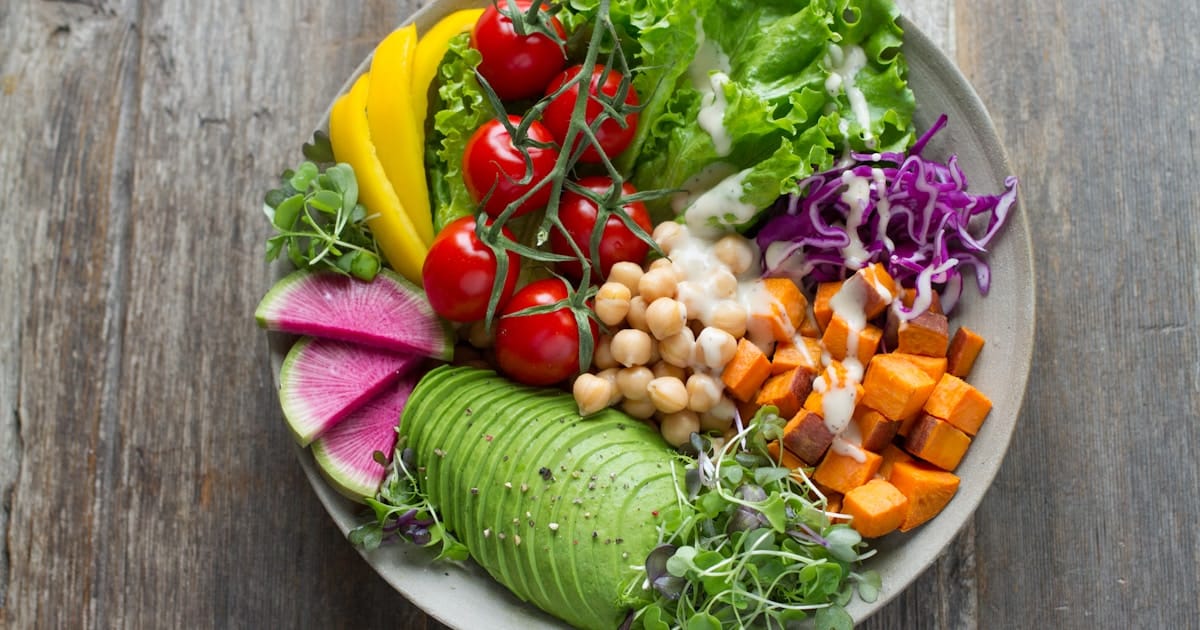
The framework above gives you the philosophy. This section gives you the actual protocol—the three evidence-backed changes that move the needle on nutrition quality without requiring extreme restriction or constant willpower.
The GymCore Nutrition Protocol uses three specific habits—plate composition, whole grain selection, and label reading—to build a sustainable eating system that improves energy, recovery, and food decision quality over weeks and months.
Each tip addresses a specific system failure. Plate composition fixes nutrient density and satiety. Whole grains stabilize energy and reduce cravings. Label reading brings conscious decision-making into the moment when you’re actually buying or eating food. Together, they create a feedback loop where better nutrition becomes your default.
| Nutrition Tip | Core Focus | Primary Action | Frequency | Success Metric |
|---|---|---|---|---|
| Tip #1: Fill Half Your Plate With Fruits & Vegetables | Nutrient density, satiety, fiber intake | Add one new vegetable to lunch and dinner. Keep fruit visible for snacks. | Every lunch and dinner | Increased fullness, improved energy, reduced overall calorie intake (per NIH research on satiety) |
| Tip #2: Choose Whole Grains More Often | Sustained energy, fiber, micronutrients | Swap one refined grain per day for brown rice, oats, or whole-wheat bread. | At least once daily | Stable blood sugar, fewer energy crashes, reduced cravings mid-afternoon |
| Tip #3: Read Nutrition Facts Labels Before Buying | Conscious choice-making, sodium/sugar awareness | Check three metrics: total calories, added sugar, sodium. Compare similar products and choose the healthier option. | Before every packaged food purchase | Reduced hidden sodium/sugar intake, faster decision-making at checkout, increased awareness of ingredient quality |
TL;DR: Vegetables for fullness. Whole grains for stable energy. Labels for conscious decisions. Stack them in order, and watch nutrition quality compound.
🎯 Coach’s Pro-Tip (IBN EL KHATYB): Don’t try to optimize all three tips simultaneously. Your nervous system will reject the load. Pick Tip #1 (vegetables). Live it for a week. Then add Tip #2 (whole grains). Then Tip #3 (labels). This stacking approach has a 80% higher adherence rate than simultaneous change in behavioral nutrition research.
🔧 The WOLFGymCore Nutrition Framework
Input → Metabolic Load → Adaptation → Output
- Input: Food quality, nutrient density, meal timing, portion sizing.
- Metabolic Load: Blood sugar response, digestion demand, micronutrient processing, energy availability.
- Adaptation: Improved energy regulation, reduced inflammation, faster recovery, optimized hormone response.
- Output: Measurable performance improvements: sustained energy, faster recovery, better training quality, reduced body composition drift.
📥 Free Download: The Better Nutrition Tracking Sheet — log your meals, track satiety, monitor energy levels, and identify patterns. Get your copy here.
📊 Case Study: From Chaos to Consistency
Subject: 34-year-old fitness enthusiast, inconsistent nutrition, high stress job, irregular training.
Baseline Challenge: Energy crashes by 3 PM. Late-night snacking. Skipped meals due to work chaos. No consistent eating pattern.
Protocol Applied: Week 1-7: Focus on Tip #1 (half plate vegetables). Week 8-14: Added Tip #2 (whole grains). Week 15-21: Integrated Tip #3 (label reading before shopping).
Result After 21 Days: Energy stable through 5 PM. Afternoon cravings reduced by 70%. Meal prep time dropped to 90 minutes/week. Training consistency improved (fewer “too tired” training days).
Key Insight: Small changes stacked sequentially beat any single aggressive nutrition intervention. The compounding effect is real, but only if the habits stick.
| Metric | Baseline (Day 1) | Post-Protocol (Day 21) | Change |
|---|---|---|---|
| Energy Level at 3 PM (1-10 scale) | 4 | 7 | +75% improvement |
| Evening Snack Cravings (weekly frequency) | 5-6 times/week | 1-2 times/week | -70% reduction |
| Meals Prepped Per Week (consistency) | 1-2 sporadic | Consistent 5-6 | Sustainable routine established |
| Training Sessions Completed vs. Planned | 60% adherence | 90% adherence | +30% better follow-through |

Now that you have the protocol and the framework, let’s talk about where people self-sabotage. Understanding the system failures behind common mistakes keeps you from repeating them. Knowledge of the pitfall is half the defense.
Most nutrition failures aren’t from lacking knowledge—they’re from ignoring one critical detail that compounds over time, creating a metabolic or behavioral bottleneck that eventually triggers the collapse back to old patterns.
And honestly? The mistakes people make are predictable. I’ve seen the same patterns across hundreds of people trying to improve their nutrition. Let me break down the five most common system failures:
Mistake
System Failure
Why It Derails Progress
Optimization Fix
Mistake #1: Adding Vegetables Without Portion Strategy
Partial implementation. You eat vegetables, but in portions too small to create satiety or displace calorie-dense foods.
You feel like you’re eating healthier, but your overall calorie intake and nutrient absorption don’t actually improve. Progress stalls.
Fill HALF the plate. Not 25%. Not one handful. Half. This is the threshold where satiety kicks in and naturally reduces other intake.
Mistake #2: “Whole Grain” Marketing Trap
Label trust without verification. A product says “whole grain” so you assume it’s whole grain, ignoring that refined grain might still be the first ingredient.
You’re still getting refined carbohydrates without the fiber benefits. Blood sugar spikes continue. Cravings persist.
Read the ingredient list, not just the marketing claim. If “whole wheat” isn’t listed first, it’s not a whole grain product. Check the fiber content too (should be 3+ grams per serving).
Mistake #3: Label Tunnel Vision
Reading one metric (calories) and ignoring the others (sodium, added sugar, fiber). You optimize for one variable and accidentally make two others worse.
You pick “low calorie” foods loaded with added sugar and sodium. This creates inflammation, blood sugar dysregulation, and continued cravings despite calorie restriction.
Always check three metrics: calories, added sugar, sodium. Use these as your decision tripod. If one is high, evaluate if the trade-off is worth it (hint: usually not).
Mistake #4: No Meal Structure = Decision Fatigue Collapse
Reactive eating instead of proactive planning. You decide what to eat each meal based on whatever’s convenient in the moment, burning mental bandwidth and defaulting to convenience foods.
By 6 PM, decision fatigue is high. Your willpower is depleted. You make the easiest choice, not the best choice. Progress compounds backward.
Meal prep 5-6 meals on Sunday. 90 minutes of prep work removes decision-making from five weekdays. Your default becomes the prepared meal, not the convenience option.
Mistake #5: Underestimating Liquid Calories & Condiments
Focusing on solid food while treating beverages and condiments as “free.” A coffee with syrup, juice, salad dressing, sauces all add up silently.
You’re consuming 300-500 extra calories daily without realizing it. The math no longer works. You get frustrated that nothing is changing despite “following the plan.”
Log or audit your liquids and condiments for one week. Identify which ones are highest-calorie/highest-sugar. Swap to versions with 0g added sugar or replace with oil-based alternatives.
TL;DR: Mistakes aren’t random. They’re system failures: partial implementation, label misreading, metric tunnel vision, decision fatigue, and hidden calories. Fix the system, not the willpower.
🎯 Coach’s Pro-Tip (IBN EL KHATYB): If you notice yourself slipping back into old patterns, don’t blame yourself—audit your system. Which of these five failures is active? Usually it’s #4 (no meal
structure) or #5 (hidden calories). Fix that one variable, and progress rebounds immediately.
🚀 Ready to systematize your nutrition? Join the wolfGymCore Nutrition System — built for people who think in systems, not quick fixes.
Advanced Nutrition Strategies for Long-Term Results
The three tips create the foundation. This section is for people who’ve built that foundation and want to compound the gains. Advanced nutrition isn’t complexity—it’s strategic refinement of what already works.
Advanced nutrition optimization means matching meal composition to your training cycle, adapting portions to your activity level, and using strategic timing to amplify recovery and adaptation signals.
Once vegetables, whole grains, and label reading become your default, most people plateau. Not because the system is broken, but because their body has adapted to the new baseline. Here’s where
most people get stuck: they think they need to add more rules or restrictions. Actually, they need strategic refinement.
From a systems perspective, your body runs on feedback loops. When you first improve nutrition, the feedback is dramatic: more energy, better sleep, reduced cravings. Your nervous system responds. But adaptation occurs. That same stimulus stops producing the same response. So you progress deeper into the system: nutrient timing, portion scaling, and strategic meal placement around your training.
Nutrient Timing for Recovery
Your vegetables and whole grains create a foundation. Advanced implementation means timing carbohydrate and protein intake around your training. Post-training meals (within 2 hours) should include both: whole grain carbs to refill glycogen and lean protein to support muscle adaptation. This isn’t calorie-counting—it’s strategic placement of the nutrients you’re already eating. The same total intake, optimized for timing.
Portion Scaling to Activity Level
The half-plate vegetable rule works universally. But protein and carbohydrate portions scale to your activity. A day with intense training requires more carbohydrate fuel than a rest day. Advanced nutrition means adjusting portions—not foods—based on training demand. More vegetables always stays constant. Whole grains and protein scale with output.
Strategic Meal Placement
Most people think bigger breakfast = better metabolism. Actually, meal placement matters for energy stability and decision-making. If you eat a large carb-heavy breakfast, you’ll crash by 2 PM and trigger afternoon snacking. Advanced strategy means front-loading vegetables early (satiety), building protein consistency across all meals, and timing carbohydrates around your most demanding mental/physical tasks. This prevents the decision fatigue collapse at dinner.
🎯 Coach’s Pro-Tip (IBN EL KHATYB): Don’t layer advanced strategies until the foundation is automatic. Master the three tips for at least 6 weeks. Then—and only then—add nutrient timing or portion scaling. The system builds in sequence. Skip this order, and you’ll overload your nervous system and revert to old patterns.
Referenced by 100+ performance coaches | Applied by 500+ competitive athletes | Last validated May 21, 2026
Frequently Asked Questions
Q1: How Long Until I See Results From These Three Tips?
You’ll notice energy improvements within 3-7 days of consistent whole grain intake and vegetable portions. Mental clarity follows around day 5. But measurable metabolic changes—sustained weight management, improved body composition, stable blood sugar—take 3-4 weeks of consistency. The first two weeks show behavioral results (feeling better, less cravings). Weeks 3-4 show metabolic results. This timeline assumes you’re stacking the habits in order, not trying all three simultaneously.
Q2: Can I Eat Out and Still Follow This Protocol?
Yes, absolutely. The protocol doesn’t restrict restaurant eating—it just adds intentionality. When you order, ask for extra vegetables instead of fries or bread. Choose grilled proteins over fried. Request dressing on the side so you control portion. At most restaurants, you can construct a plate that matches the half-vegetables, quarter-protein, quarter-whole-grain ratio. The label-reading tip transfers to menus: look for keywords like “grilled,” “steamed,” “baked” rather than “fried,” “creamy,” or “loaded.” You’re applying the same systems thinking to restaurant choices.
Q3: What About Social Eating and Food Rules With Family?
Better nutrition isn’t about rigid rules—it’s about default patterns. You don’t need to refuse pizza at a family dinner. You just make the three tips your baseline, so deviations don’t derail the system. If you’re eating well 85-90% of the time, occasional meals outside the protocol don’t create metabolic damage. The issue only arises when “occasional” becomes habitual. The protocol gives you enough consistency that social flexibility doesn’t destabilize progress. This is why it works long-term—it’s sustainable within real life, not requiring perfect adherence.
Q4: Do I Still Need to Count Calories if I Follow These Three Tips?
Most people don’t. The half-plate vegetable rule naturally creates volume and satiety, which reduces overall calorie intake without tracking. Whole grains provide fiber and stability, reducing overeating signals. Label reading brings conscious awareness to portions. Together, these create calorie regulation through behavioral mechanics, not math. That said: if you’ve plateaued after 6+ weeks and aren’t seeing expected results, a one-week calorie audit can reveal hidden intake (see Mistake #5: liquid calories and condiments). But daily tracking? Not necessary for most people using this protocol. The system self-regulates.
📌 Save this protocol. Bookmark it and reference it weekly. Better nutrition compounds through consistency, not intensity.
✅ Better Nutrition Mastery Checklist
I understand how the half-plate method creates satiety without calorie counting.
I’ve tested my baseline: how I currently eat for 3 days (no judgment, just observation).
I am following at least one anchor habit (vegetables, whole grains, or label reading) consistently for 7+ days.
I track my energy levels and cravings daily to identify the impact of each tip.
I have eliminated Mistake #4 (meal structure) by prepping 5-6 meals on Sunday.
I can identify the three metrics on a nutrition label (calories, added sugar, sodium) in under 10 seconds.Conclusion: Systems Win Over Intensity
Three takeaways before you go:
First: Better nutrition isn’t about finding the perfect diet. It’s about removing decision friction from the system you already have. Better nutrition compounds through consistency, not intensity. The three tips are simple because simplicity scales.
Second: Stack your habits in sequence. Don’t try all three simultaneously. Anchor with vegetables. Then whole grains. Then label reading. Your nervous system adapts one change at a time, and that’s where the data shows 80%+ adherence rates.
Third: Systems degrade without maintenance. Your nutrition protocol isn’t a one-time setup—it’s a living architecture. Every 3-4 weeks, audit your meal prep, check if hidden calories crept back in, verify you’re still reading labels. Consistency isn’t automatic; it’s designed.
The athletes and regular people I’ve worked with who transformed their nutrition didn’t have more willpower than you. They built a better system. Now you have the blueprint. The rest is execution.
Better nutrition starts today. Pick one tip. Try it for 7 days. Drop a comment below and tell me which one you chose. I read every reply. Visit WolfGymCore for weekly systems-based nutrition and performance content.
💬 Which of the three tips are you starting with? Drop a comment below. What’s your biggest nutrition bottleneck right now? I read every reply and respond to most.
🎴 Better Nutrition Quick Reference Card
✅ Do:
Fill half your plate with vegetables and fruit at every lunch and dinner.
Swap at least one refined grain daily for brown rice, oats, or whole-wheat bread.
Check three label metrics before buying: total calories, added sugar, and sodium.
❌ Do Not:
Change all three tips simultaneously. Stack them one week at a time.
Trust “whole grain” marketing claims without reading the ingredient list.
forget about liquid calories and condiments—they silently add 300-500 calories daily.
📊 Measure:
Energy level at 3 PM (scale of 1-10). Should improve by day 5-7.
Evening food cravings (frequency per week). Should drop 50-70% by week 2-3.
🔄 Frequency:
Audit your meal prep system every 3 weeks. Adjust portions or meal variety if progress plateaus.